
Joanna Manousis
Constellations, 2026
Press-moulded glass, mirror, stainless steel
Paediatric Viewing Area, Royal London Hospital
The Paediatric Viewing Area at the Royal London Hospital is a specialised space within the Mortuary where grieving families view the body of a child who has passed away.
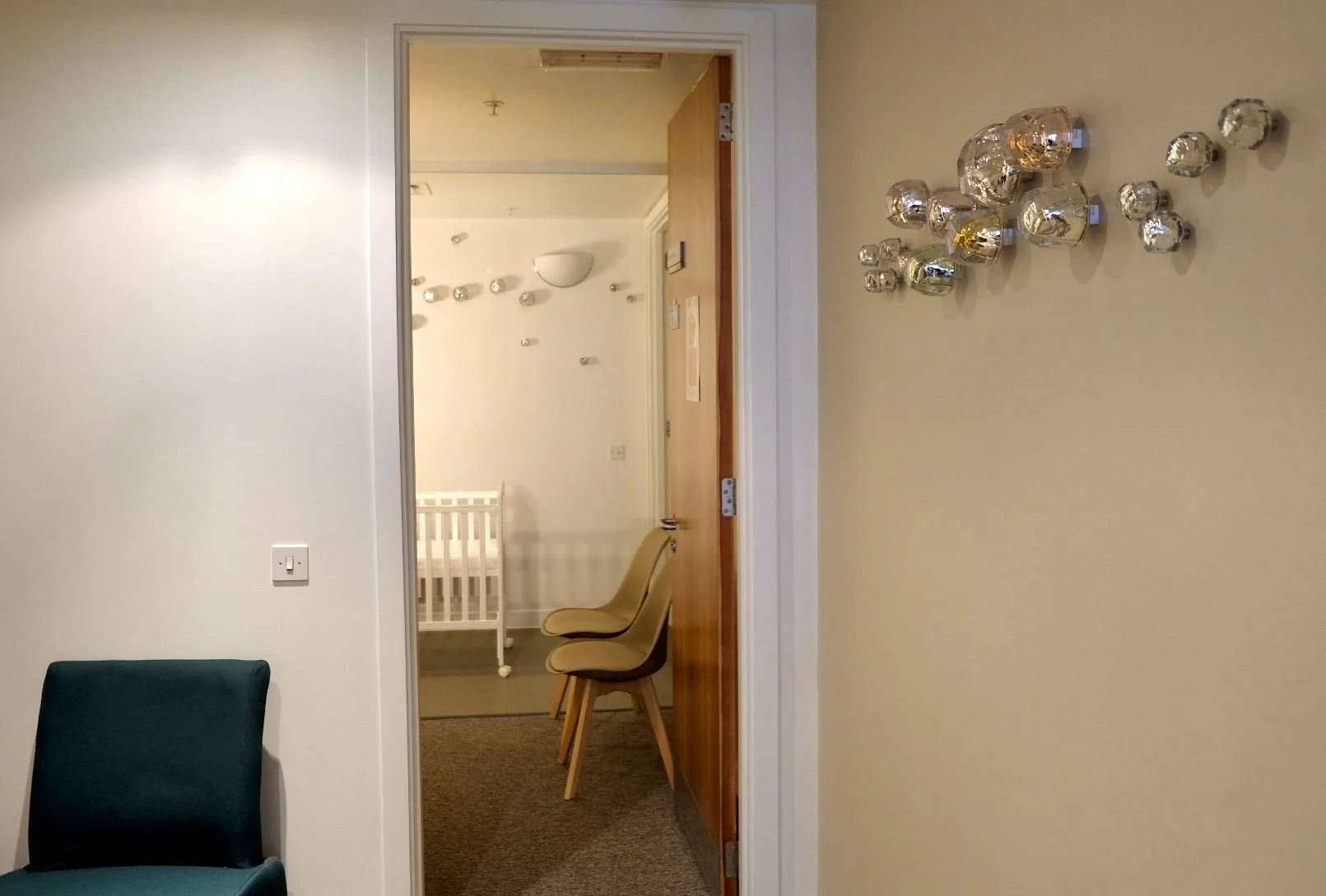
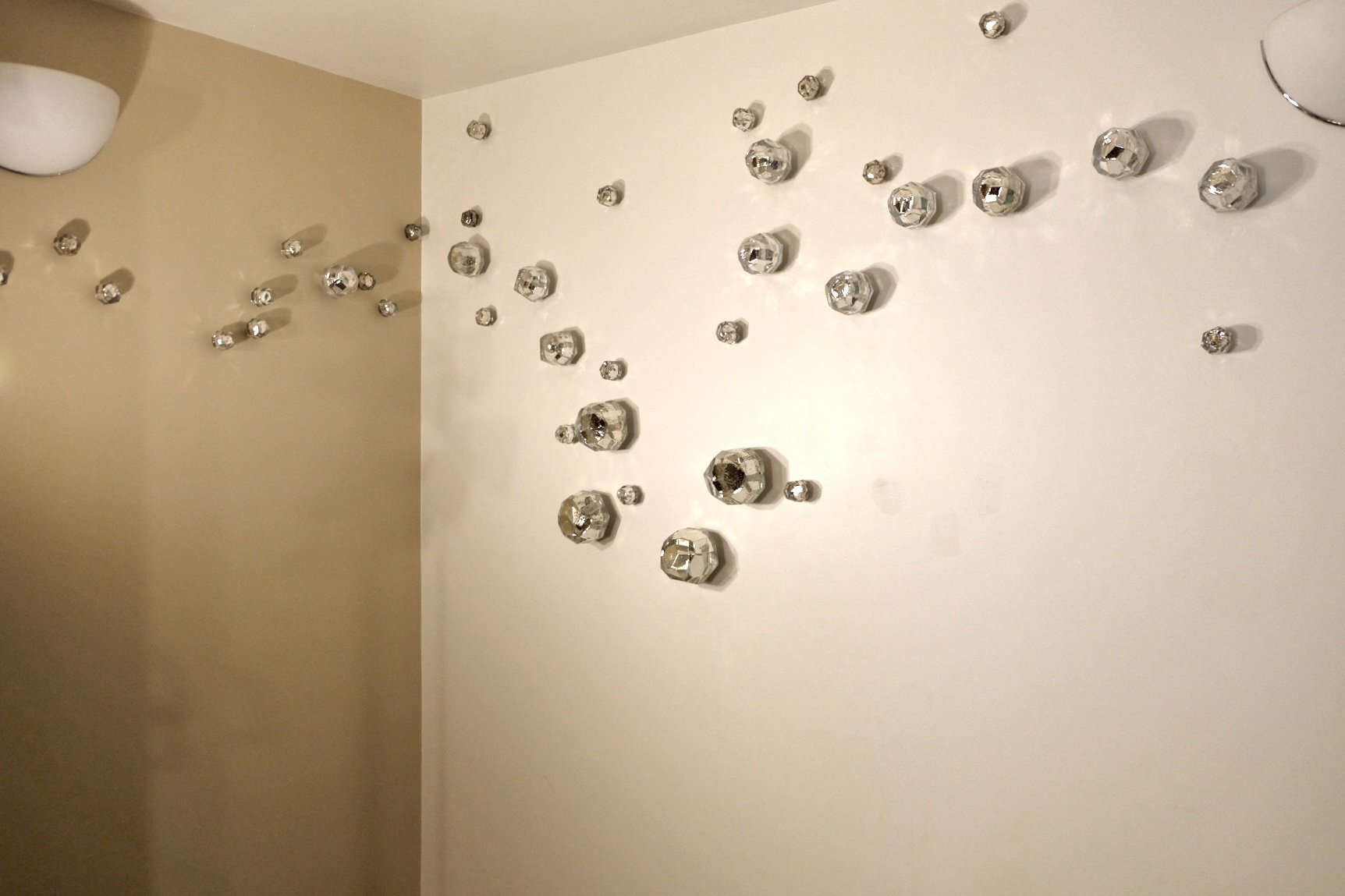
Responding to this highly sensitive space, Vital Arts commissioned Joanna Manousis to create a glass installation that runs through the suite of rooms. The artwork is comprised of several mirrored prism-like elements based on constellations. Cassiopeia, Pleiades, Ursa Major and Ursa Minor (also known as Big Bear and Little Bear) are familiar star formations that have guided people across generations. They have served as points of orientation in the night sky, helping travellers find their way since ancient times.
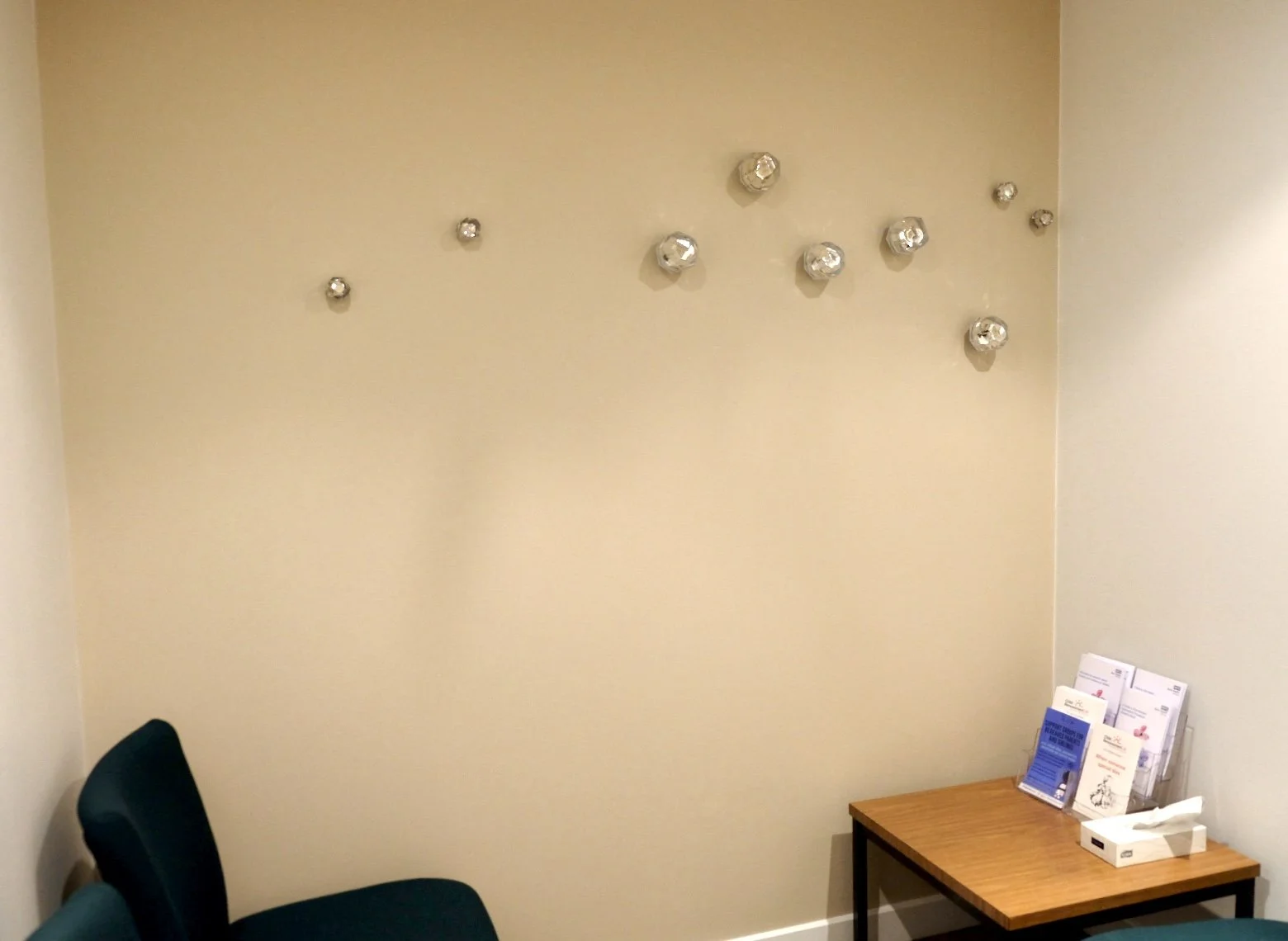
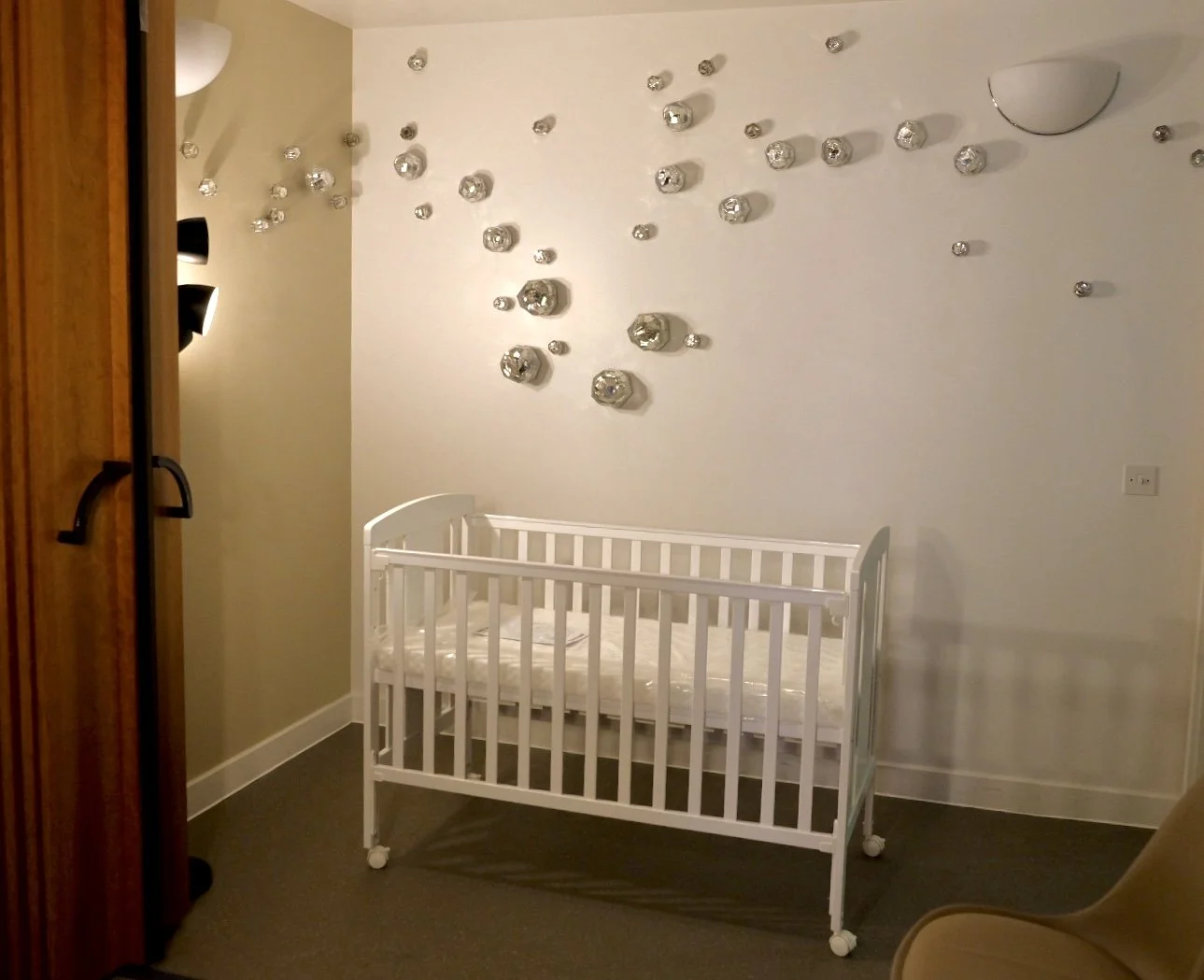
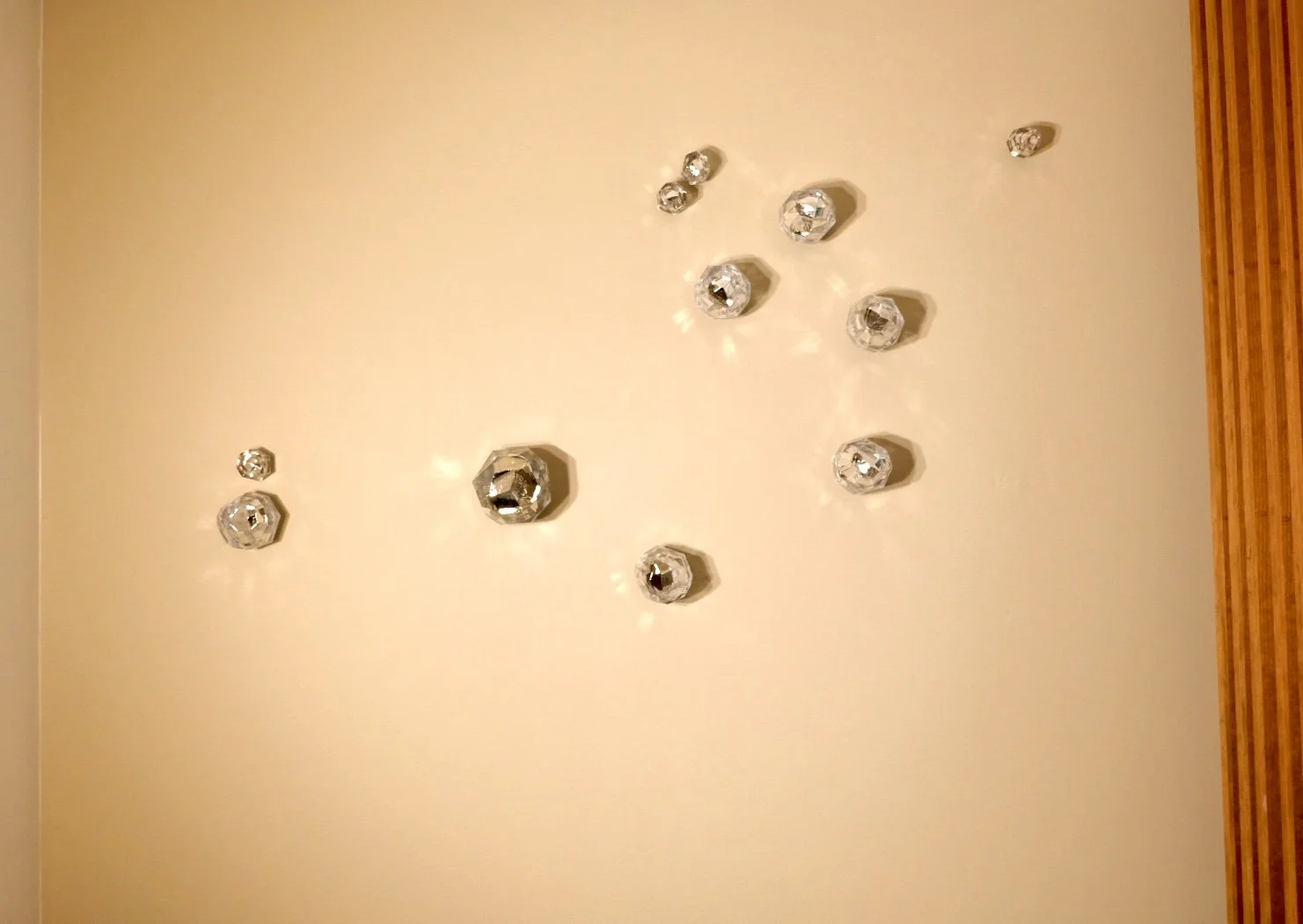
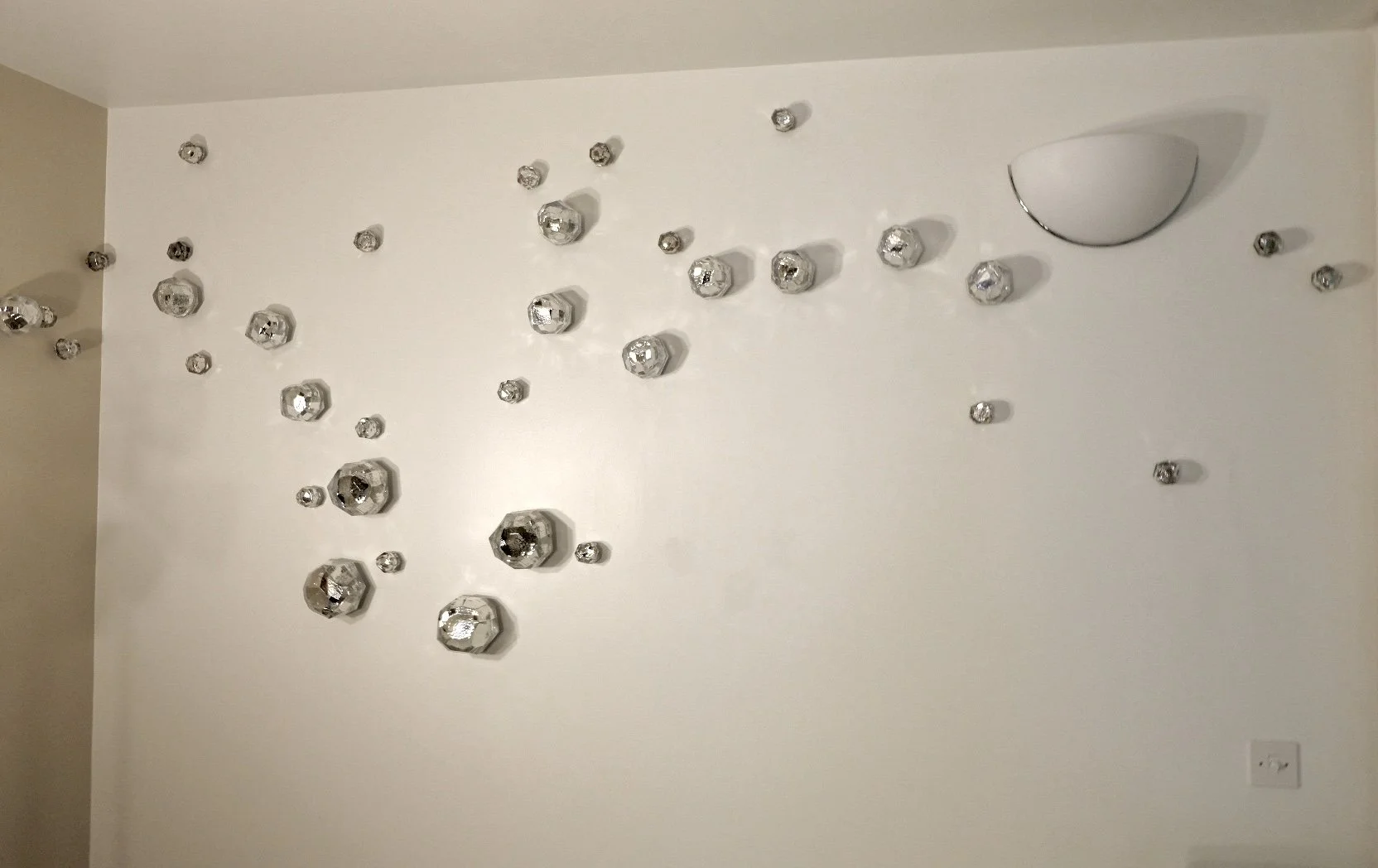
This hand-crafted glass artwork was made by the artist especially for this area. It is subtle, using minimal colour, allowing instead, colours within the room--found on the shroud and clothing worn by the child and family--to be gathered up together and reflected in the artwork.
As Manousis has written, "formed in mirrored glass, the prisms reflect light and movement, reminding viewers that the constellations we see are not fixed objects but patterns we create together, stories written in light. In this setting, they offer a subtle reminder that guidance, family, and memory continue to shine even in difficult moments."
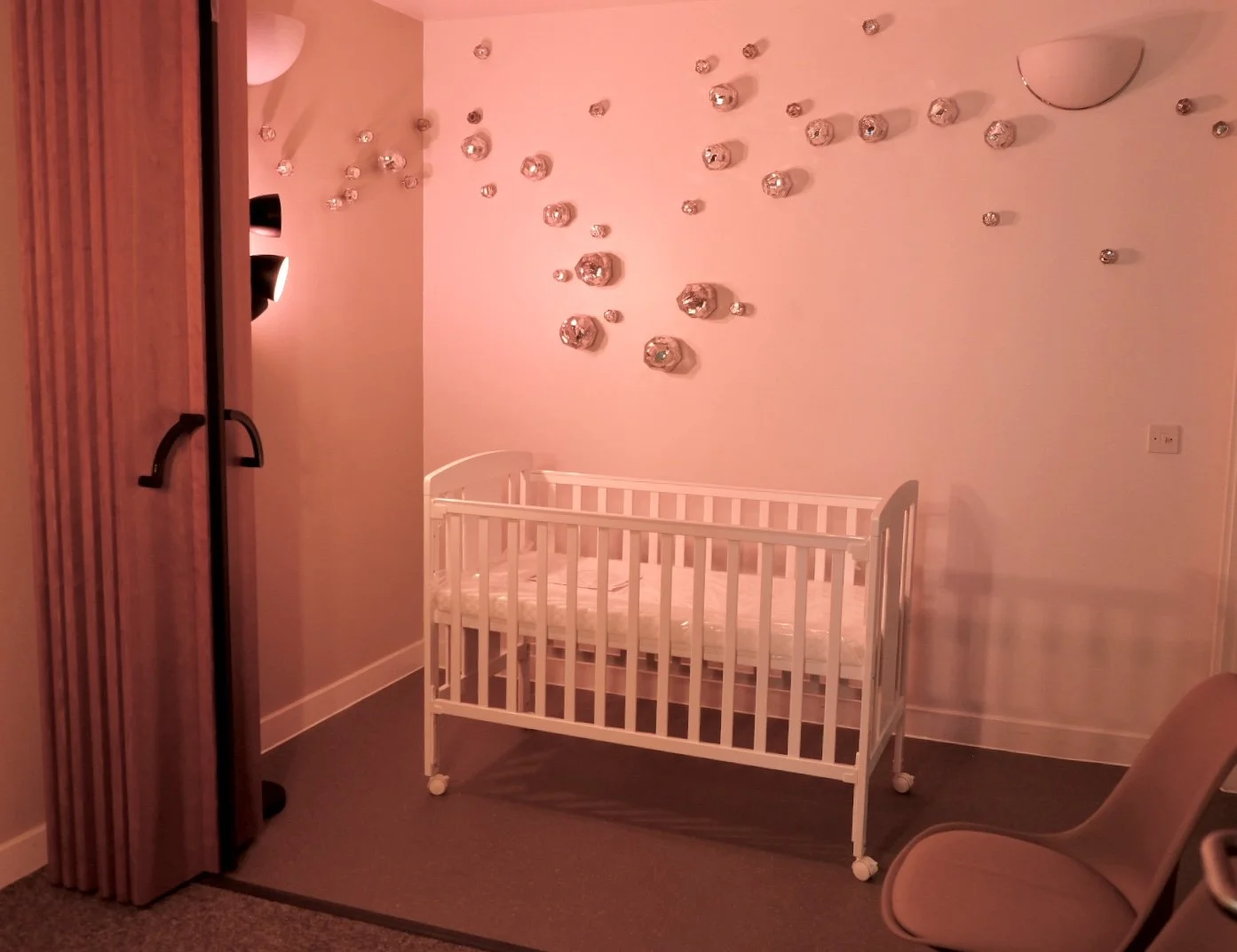
Joanna Manousis outlines the significance of each constellation represented in the artwork:
Ursa Major and Ursa Minor
Ursa Major and Ursa Minor appear close together in the northern sky and are commonly understood as the Great Bear and the Little Bear. The pairing suggests a relationship between a larger and smaller presence moving together across the sky. Within Ursa Minor lies Polaris, the North Star, a fixed point that provides direction and orientation. Together, the two constellations are often associated with guidance, protection, and the sense of being led or watched over.
Cassiopeia
Cassiopeia is identified by the five bright stars that form its distinctive “W” shape across the northern sky. In Greek mythology, Cassiopeia was a queen whose story became fixed among the stars, and the constellation is often associated with narrative and memory. It’s clear pattern makes it one of the most recognisable arrangements in the night sky, inviting viewers to trace its shape and find a sense of orientation among the surrounding stars.
Pleiades
The Pleiades appear as a small cluster of bright, closely grouped stars. Their tight formation has often been interpreted as a gathering of sisters or companions, giving the cluster strong associations with kinship, closeness, and shared presence. The stars appear almost like a small constellation within a constellation, an intimate grouping that stands out within the wider field of the night sky.
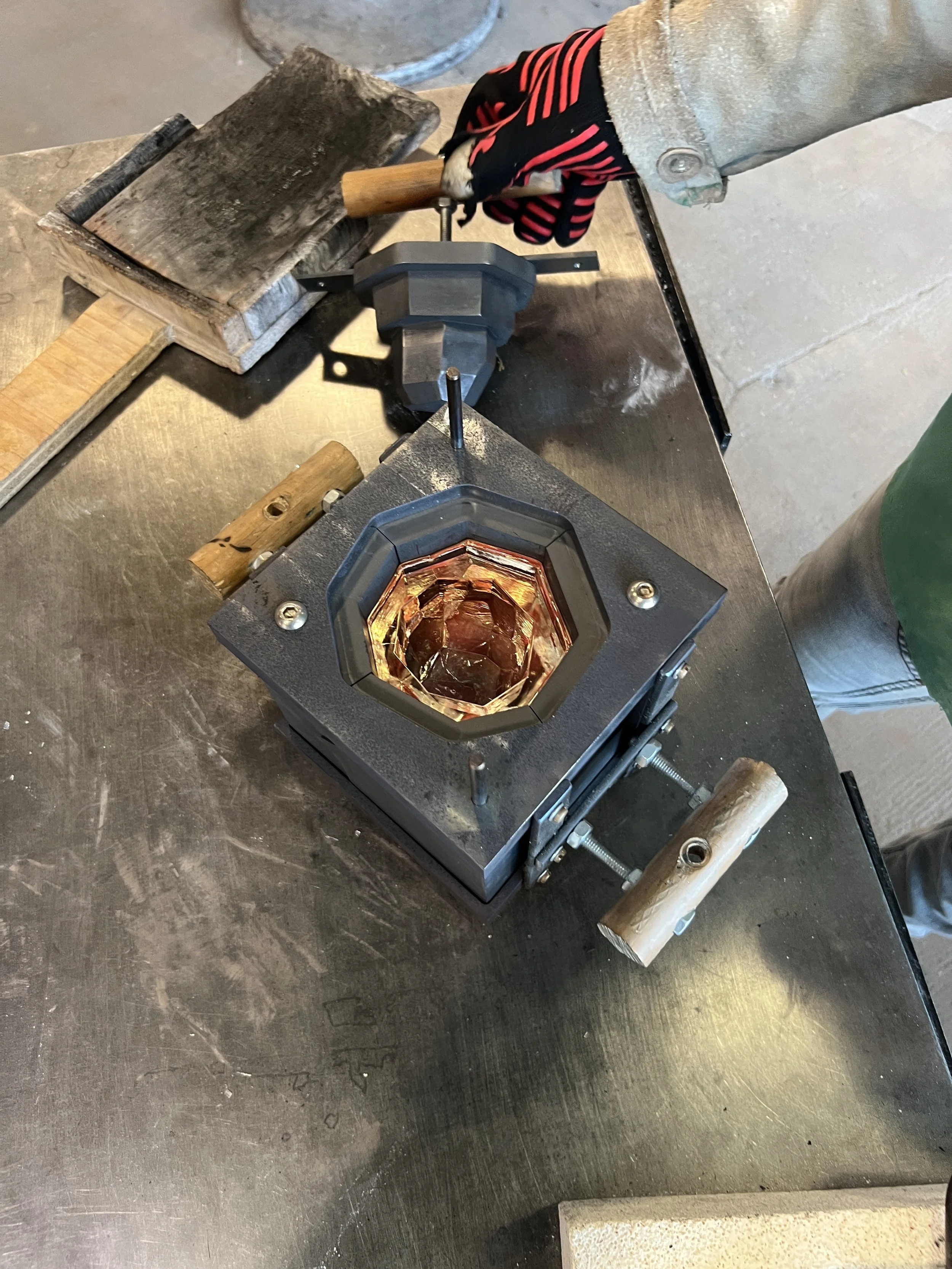
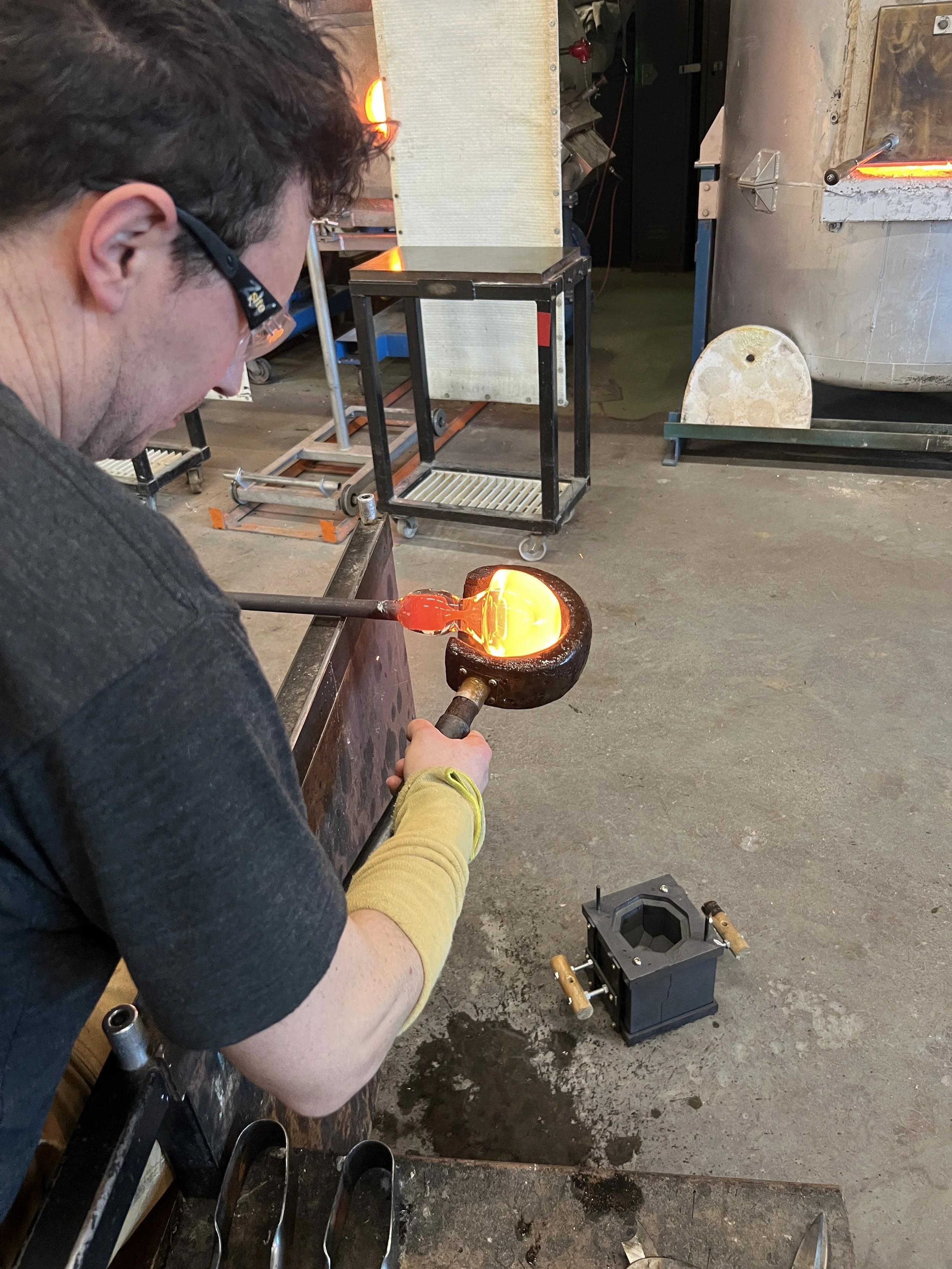
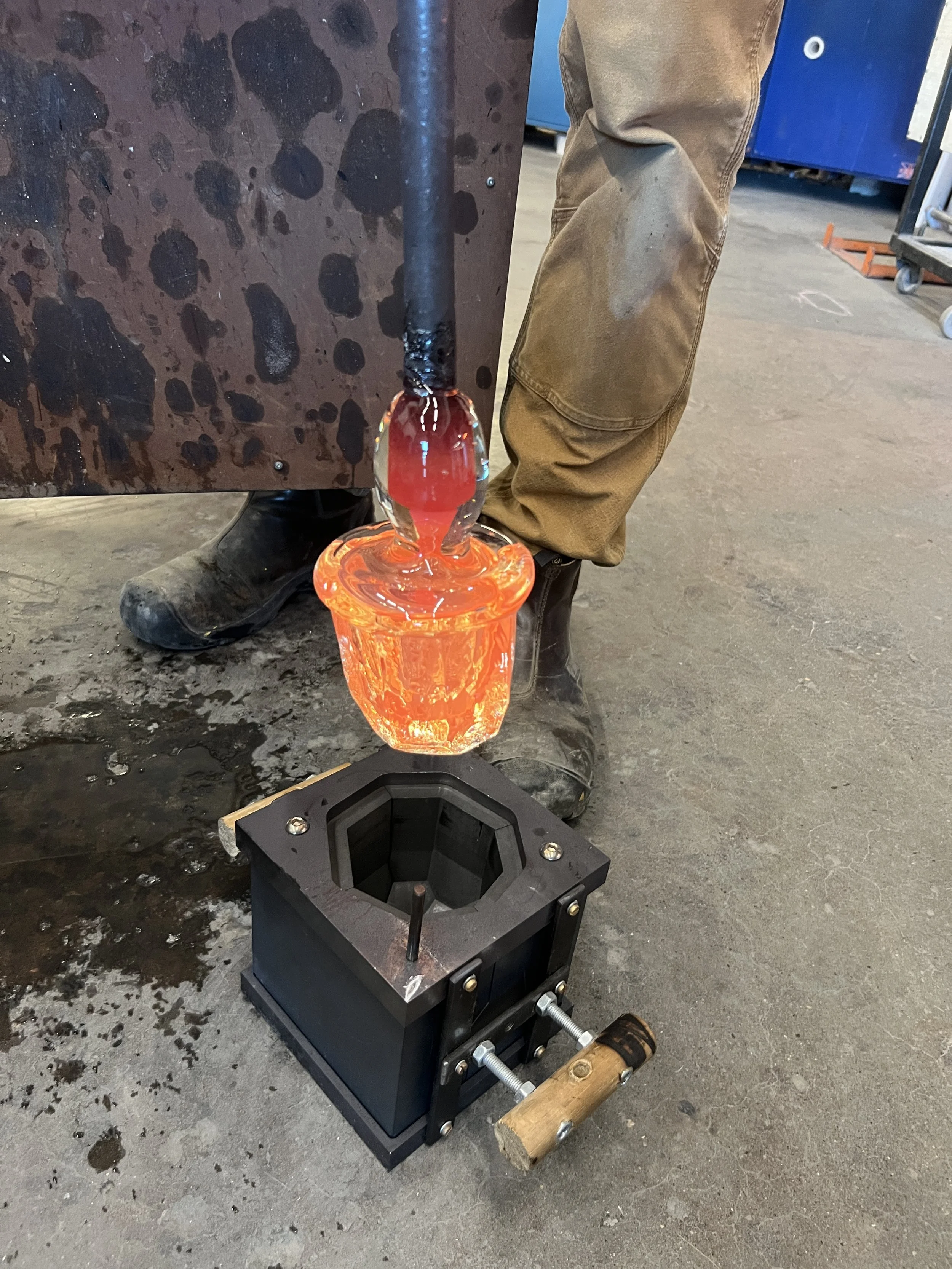
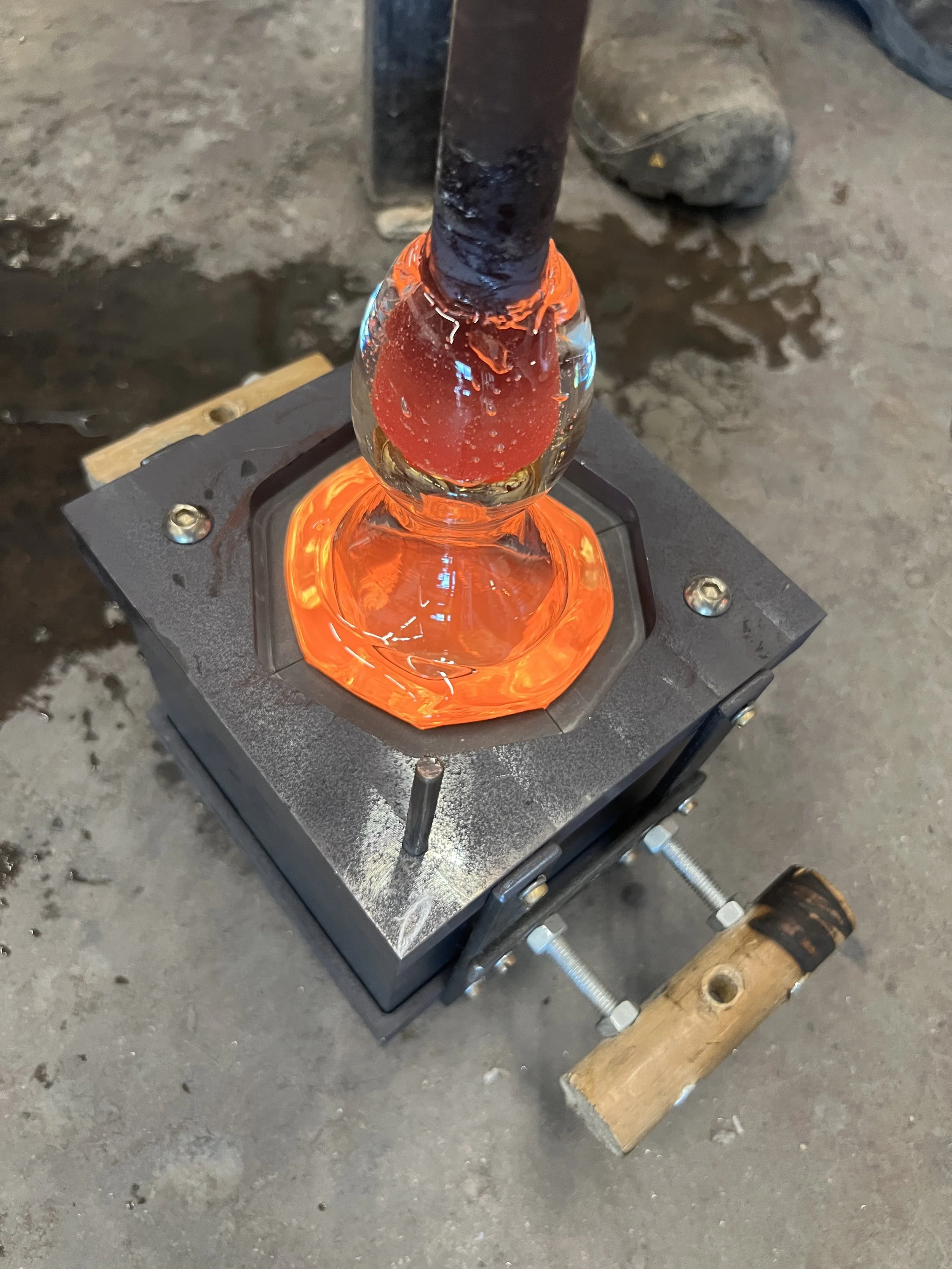
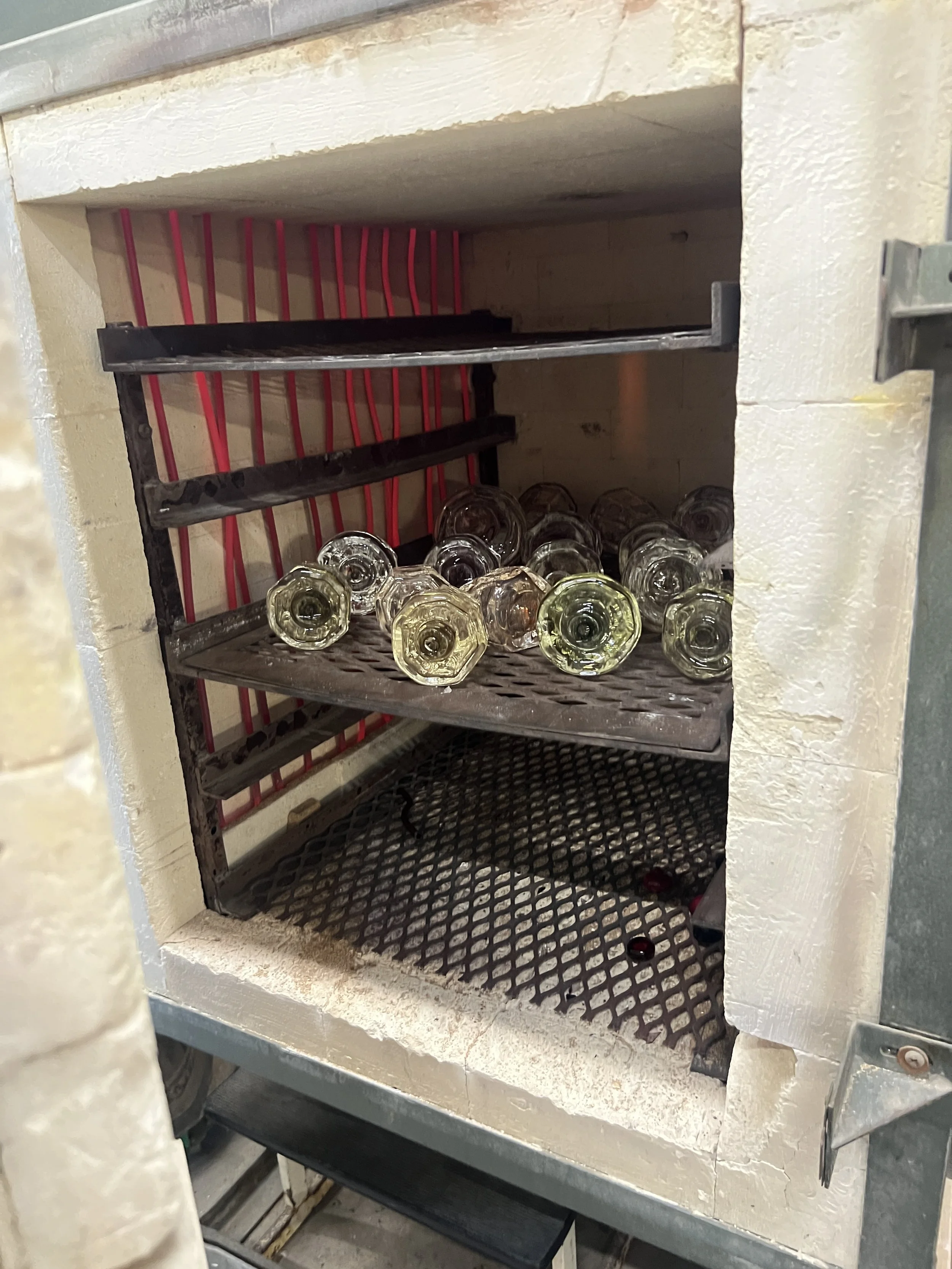
Work in progress from the National Glass Centre workshop, Sunderland
About the artist
Joanna Manousis holds a PhD from the University of Sunderland, UK. Her work is exhibited and held in major public collections worldwide. She has won several awards including the Margaret M Mead Award and Hans Godo Frabel Award. She has worked, studied, and taught in Japan, Europe, the USA, and Australia.
This project was made possible by a generous grant from Barts Charity.
With thanks to Altro UK and AkzoNobel who supported this project through flooring and paint donations.